Mixing vs. Mastering: What's the Difference, and Do You Need Both?
If you've ever been confused about the difference between mixing and mastering, you're not alone. Artists use the two words like they mean the same thing all the time. They don't, and knowing the difference will save you money, time, and a lot of frustrating conversations with your engineer.
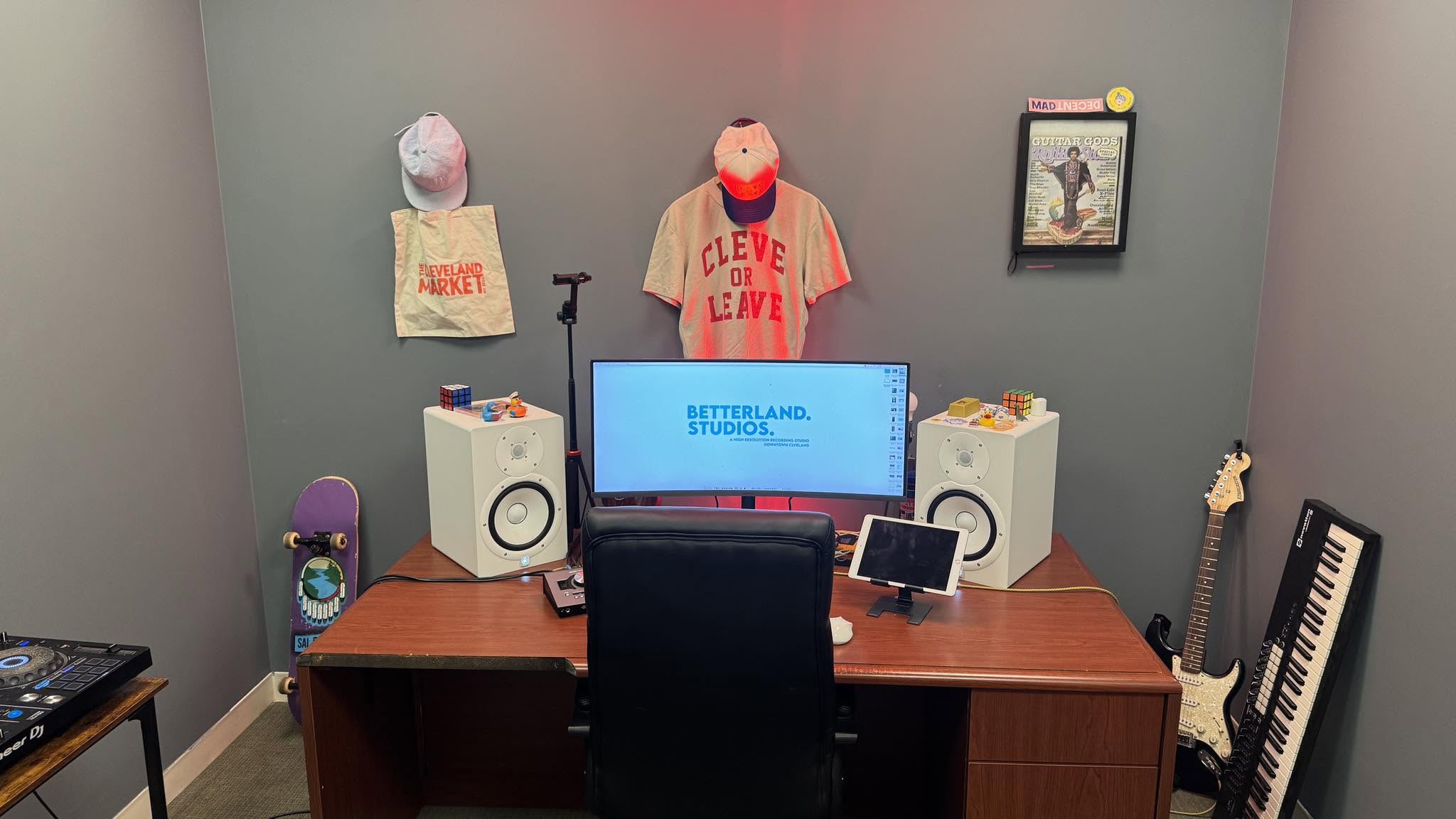
I've been on both sides of the board for over sixteen years, first as a DJ and producer and now as the Senior Engineer at Betterland Studios in Cleveland. Here's the simplest way I can explain it.
“The Short Version”
Mixing is taking all the individual pieces of your song (vocals, drums, bass, synths, ad-libs, everything) and blending them into one finished stereo track.
Mastering is taking that finished stereo track and giving it a final polish so it sounds great everywhere it plays and sits right next to every other record on a playlist.
Think of it like a movie. Mixing is the edit: deciding what's on screen, what's loud, what's quiet, and how every scene flows. Mastering is the color grade and final export: making the whole thing look consistent and professional on every screen.
“What Happens in a Mix”
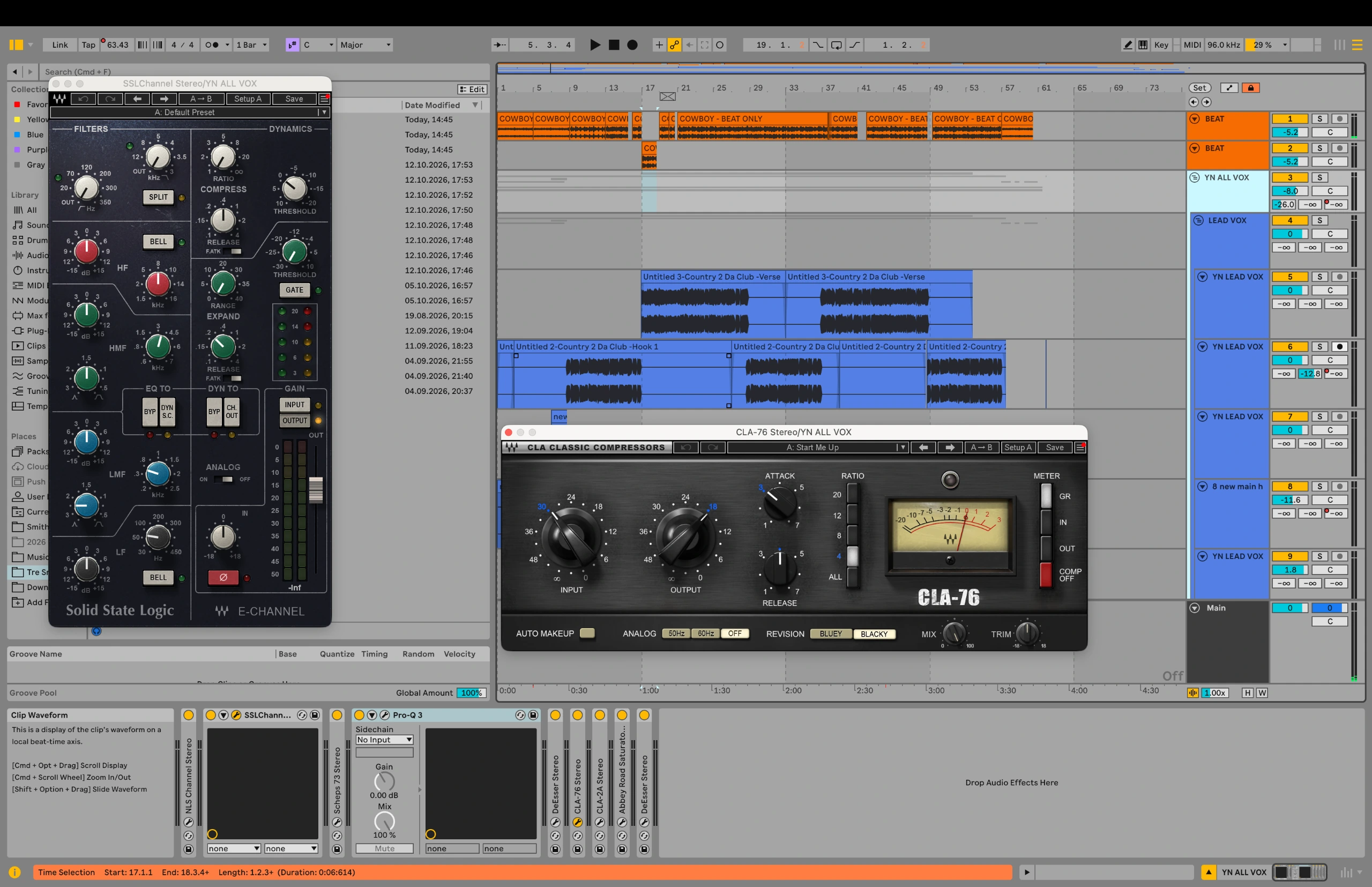
A mix engineer works with your separate tracks, also called stems or multitracks. During a mix, your engineer is balancing levels so every part can be heard, using EQ to give each sound its own space, compressing to control dynamics and add punch, placing sounds left, right, near, and far, adding effects like reverb & delay to create depth, and making creative decisions that bring out the emotion of the song.
This is where the personality of your record gets shaped. A great mix can make a song feel huge, intimate, aggressive, or dreamy. It's the most hands-on part of finishing a record.
“What Happens in Mastering”
A mastering engineer usually works with one file: your finished mix. Mastering adjusts the overall tone so the song isn't too bright, muddy, or thin, sets the final loudness so it competes with other releases, makes sure it translates on phones, earbuds, cars, laptops, and big speakers, and keeps the volume and tone consistent from song to song across an EP or album.
Mastering is also the last quality check before the world hears your song. A fresh set of ears catches clicks, pops, harsh frequencies, and problems that you and your mix engineer stopped hearing after the 40th listen.
A quick note on loudness: streaming platforms like Spotify normalize volume, which means they turn loud songs down so everything plays at a similar level. A good mastering engineer knows this and masters for impact and clarity, not just raw volume.
“Can Mastering Fix a Bad Mix?”
No, and this is the most important thing in this whole article.
Mastering can enhance a good mix. It can't rebuild a bad one. If the vocal is buried, the 808 is overpowering everything, or the hi-hats are piercing, those problems are baked into the stereo file. The mastering engineer can only work on the whole song at once, so pulling the vocal up without also pulling everything else up isn't really possible.
If your song has mix problems, fix them in the mix.
“Do You Need Both?”
If you're releasing the song to streaming platforms, radio, or anywhere people will compare it to professional records, yes. You need both.
If it's a demo for your producer, a reference for a collaborator, or something you're just sharing with your team, a rough mix is fine. Save the money for when it counts.
“Should the Same Person Do Both?”
It depends. There are good reasons either way.
Having one engineer handle both can be faster and more affordable, and that engineer already knows the song inside & out. Many independent artists go this route, and it can sound great.
Having a separate mastering engineer gives you a fresh perspective on the song. They hear it for the first time the way your listeners will, and that objectivity is valuable, especially for a full project.
My advice: if the budget allows it on a big release, get a second set of ears. If the budget is tight, a trusted engineer who does both is better than skipping mastering entirely.
“What to Send Your Mastering Engineer”
Send your final mix as a high-resolution WAV file at the same sample rate you mixed at. Leave some headroom, with no limiter on the master bus unless your mastering engineer asks for it. Include a reference track or two, the song order if it's a project, and any notes about what you love or what's bothering you.
If you already have ISRC codes from your distributor, include those too so they can be embedded in the final files.
“The Bottom Line”
Mixing makes your song. Mastering makes it ready for the world. Skipping either one, or expecting one to do the other's job, is how good songs end up sounding unfinished.
If you've got a record that needs mixing, mastering, or both, I'd love to hear it. Tell me about the project on my Work With Me page and let's get it finished the right way.