Album Cover Art: The Specs, the Rules, and How to Brief Your Designer
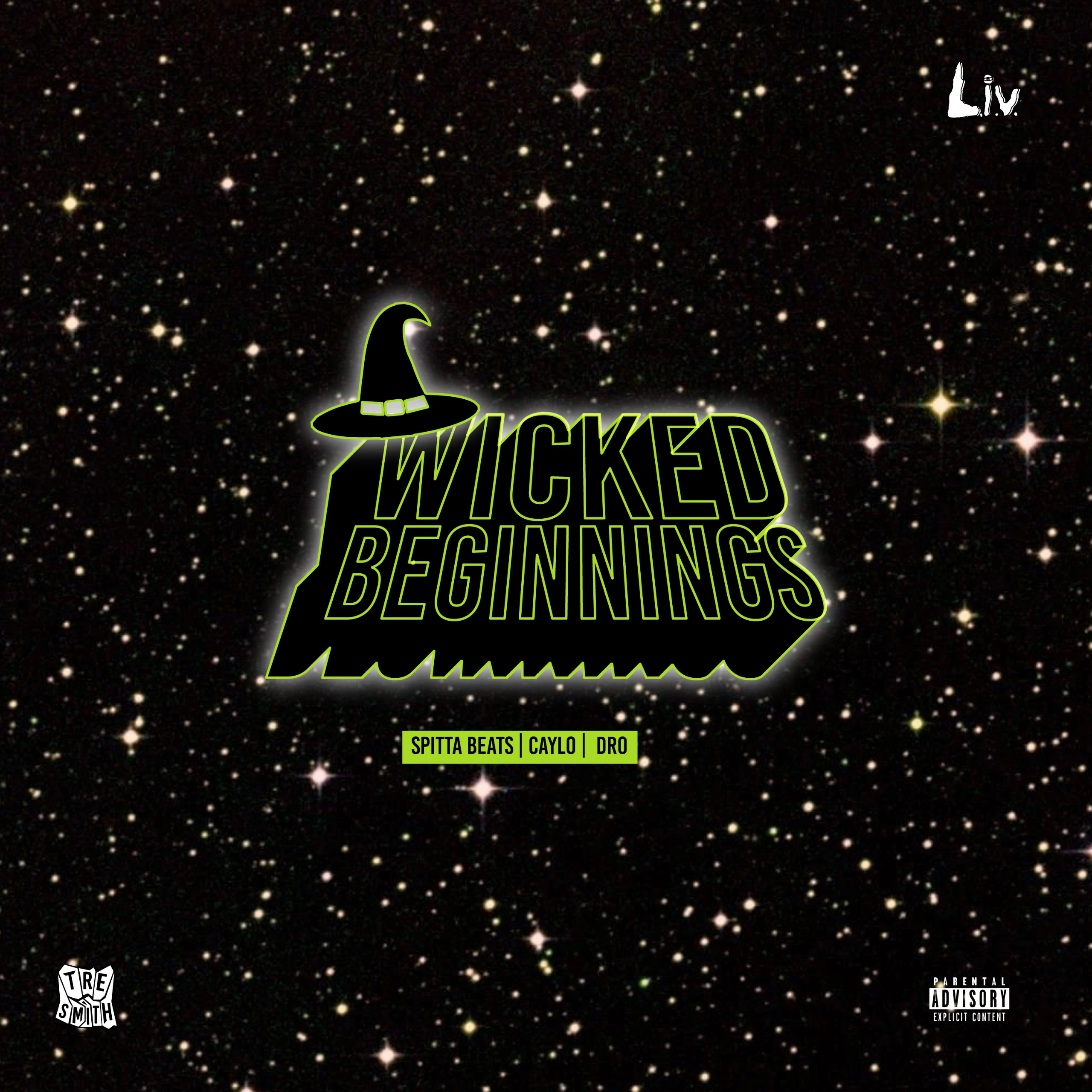
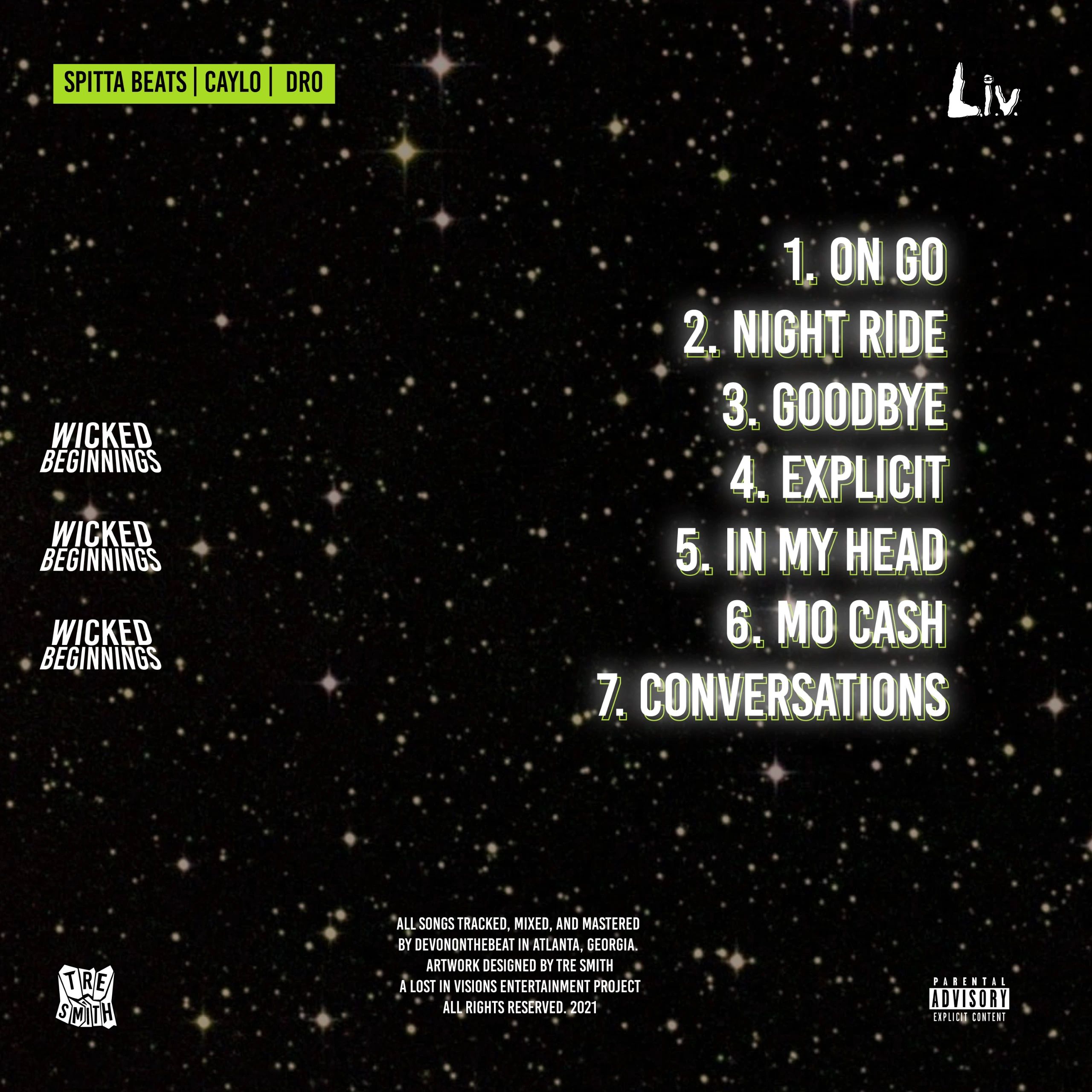

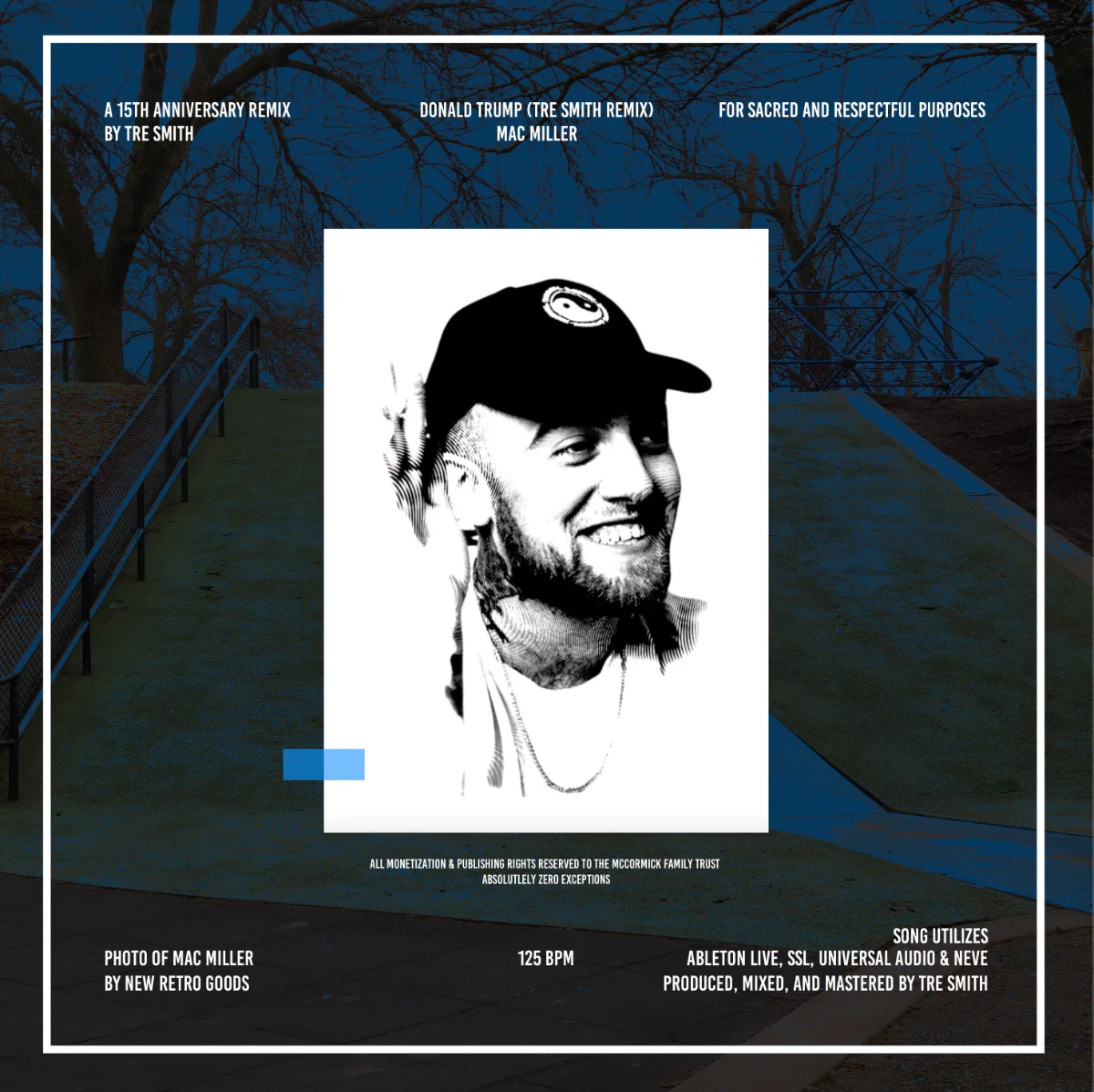
Your cover art is the first thing people see before they ever hear a note. It's on every playlist, every share, every post, and every merch idea that comes after. And it's one of the most common reasons a release gets delayed, because the art doesn't meet the specs or breaks a distributor's rules.
I've been designing since I was 14, when I opened my first picture in GIMP back in 2009, and I've been making music just as long. Cover art is where those two worlds meet for me. Here's what you need to know before you hire someone or start designing your own.
“The Specs That Matter”
Every distributor has its own requirements, so always check yours. But these specs will cover you almost everywhere.
Size: square, at least 3000 x 3000 pixels. Smaller images can get rejected or look soft on big screens.
Color: RGB color mode, not CMYK. CMYK is for print. Streaming platforms want RGB.
File type: a high-quality JPG or PNG.
Quality: sharp and clean. No stretched images, no visible pixelation, no blurry photos blown up to fit.
If you want physical products later, like vinyl, CDs, or posters, ask your designer for print-ready versions too. Print has different requirements, and it's much easier to plan for it now than to rebuild the art later.
“The Rules That Get Covers Rejected”
Distributors and streaming platforms reject cover art for a lot of the same reasons. Avoid social media handles, website URLs, and QR codes. Avoid prices, release dates, or words like "new" or "out now." Avoid logos of streaming services or other brands you don't have the rights to use. Avoid text that doesn't match your release info (if the cover says one title and your metadata says another, that's a problem). And avoid images you don't have the rights to use, which includes random photos from Google and other artists' work.
Explicit or graphic images can also get flagged, depending on the platform. When in doubt, check your distributor's guidelines before you submit.
“Design for the Thumbnail”
Here's the part a lot of people miss. Most listeners will see your cover at about the size of a postage stamp on a phone screen.
That beautiful detailed illustration with tiny text? At thumbnail size it might look like a gray square. Before you approve a cover, shrink it down and look at it on your phone. Does it still read? Is there one strong focal point? Can you recognize it instantly in a playlist?
Strong covers usually have a clear subject, bold contrast, and simple type. The best ones become a visual identity for the whole era of a project.
“How to Brief Your Designer”
A good brief is the difference between getting the cover you imagined and spending three rounds of revisions explaining what you meant. Before you reach out, have these ready.
The concept. What is the song or project about? What feeling should someone get before they even press play?
References. Send a few covers, photos, films, or artworks you love, and say what you love about each one. "The colors on this one" or "the way the type sits on this one" is way more helpful than "something like this."
Exact text. Your artist name and title spelled exactly the way they'll appear in your metadata, including capitalization and features.
Photos & assets. If you're using a photo of yourself, make sure it's high resolution and that you have permission from the photographer.
Deadline. Work backward from your release date. Your art needs to be finished before you upload to your distributor, which is usually four to six weeks before release.
“Ask for the Full Rollout Package”
The cover is just one size. Your rollout needs more. Ask your designer about versions for Instagram posts (1080 x 1350), stories & reels (1080 x 1920), a YouTube thumbnail (1920 x 1080), a Spotify Canvas, and any merch you have in mind.
It's faster and usually more affordable to get them all at once, and it keeps your whole rollout looking consistent.
“Don't Forget About Rights”
Talk about ownership up front. Who owns the artwork? Can you use it on merch? Does the designer get to post it in their portfolio? If a photographer shot the image, do you have permission to use it commercially? Are the fonts licensed for commercial use?
Getting this in writing protects you and your designer, and it keeps your release from getting pulled down later.
“The Bottom Line”
Your cover is the face of your music. Get the specs right, follow the rules, design for the phone screen, and give your designer a clear brief. Do that and your art will work as hard as your song does.
If you need cover art, visuals, or a full rollout package for your next release, I'd love to bring it to life. Tell me about your project on my Work With Me page.